
How Asphalt Paving Companies Can Generate More Leads Online
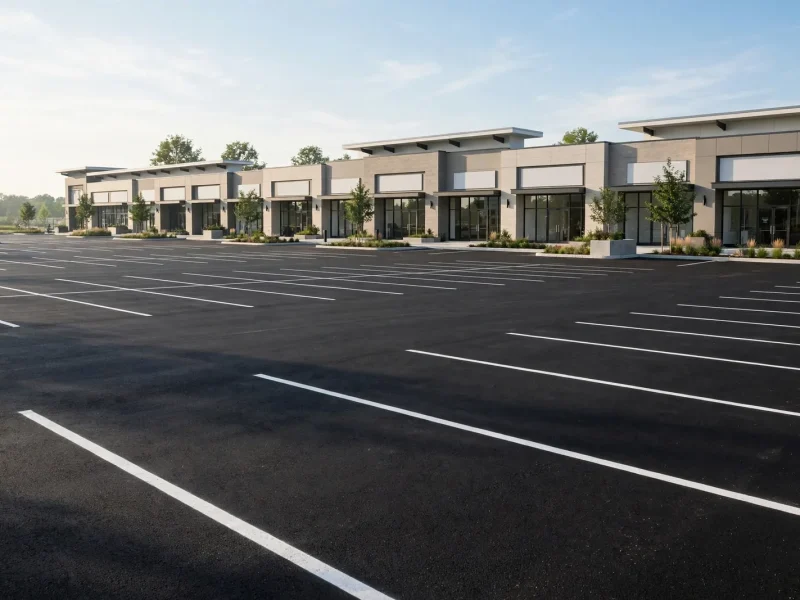
Every paving company knows the pattern. The phone rings constantly in spring, goes quiet when the weather turns,…
Read MoreLocal SEO is the single highest-ROI marketing channel for contractors — and yet most contractors get it wrong. In this Local SEO Playbook, we walk through the exact framework we use to rank client sites #1 for competitive keywords like “roofer near me” and “Miami HVAC repair.”
Start with your Google Business Profile. Every category must be filled in. Your primary category should be the highest-volume commercial term you serve (e.g., “Roofing Contractor” not “Contractor”). Add every secondary category that applies. Upload 25+ real photos and geotag them if you can. Then post a Google Post every single week.
Next, build a proper service-area page for every combination of service × city you actually work in. A page titled “Roof Replacement in Coral Gables” should include real project photos, local landmarks, driving directions from your office, and testimonials from Coral Gables customers. A page like that will outrank a generic “Roofing Services” page every time.
Citations still matter. Get your business listed consistently on the 40 most important local directories — Yelp, BBB, Angi, HomeAdvisor, Houzz, Chamber of Commerce, and every local news site that publishes a business directory.
Finally, reviews. Google’s local algorithm is heavily influenced by review recency, quantity, and keyword usage in review text. Automate review requests via SMS at job close-out — you’ll 10x your review velocity within 30 days.

Your Google Business Profile is the foundation of this local SEO playbook. It is the listing that appears in Google Maps and in the local map pack when a homeowner searches for a contractor near them. Claim it, verify it, and choose the most accurate primary category for your trade.
Fill in every field: services, service areas, hours, phone number, website, and a clear business description. Add real photos of your team, vehicles, and finished jobs on a regular basis. Profiles with fresh photos and complete information give customers a reason to choose you over a competitor with an empty listing.
Reviews influence both your ranking and your conversion rate. A contractor with a steady stream of recent, genuine reviews looks active and trustworthy to Google and to homeowners. Ask every satisfied customer for a review shortly after the job is finished, while the experience is still fresh.
Make it easy by sending a direct link to your review page by text or email. Reply to every review, positive or negative, in a calm and professional way. Never buy reviews or offer rewards for them, because fake reviews put the whole profile at risk.
One generic services page cannot rank for every search in every town you cover. Create a dedicated page for each core service in each main city you serve, written around what customers in that city actually search for. Each page needs its own introduction, service details, and a clear call to action.
Keep the information genuinely local: mention the areas you cover, the types of properties you work on, and the common problems customers in that area call about. Pages that read like copies with only the city name changed do not perform well, so write each one as a page that would still be useful on its own.
Citations are the mentions of your business name, address, and phone number across directories and platforms. Google compares these details with your profile and your website. If the phone number or business name differs from place to place, it creates doubt about which information is correct.
Audit the main directories for your trade, plus general ones such as Yelp, the Better Business Bureau, and Apple Maps. Correct old addresses and disconnected phone numbers, and use the same name, address, and phone format everywhere from now on.
Links from other local websites act as votes of confidence. Membership of a local chamber of commerce, sponsorship of a community team, partnerships with suppliers, and coverage in local news all help. These links are slower to earn, but they are difficult for competitors to copy.
Local SEO is not a one-time project. Keep adding photos, collecting reviews, publishing helpful articles, and checking your rankings every month. Contractors who treat this local SEO playbook as an ongoing routine are the ones who stay at the top.
If your profile, website, and reviews are not bringing in the calls they should, a structured plan makes the difference. Explore our local SEO services for contractors or contact Contractors Marketing Pros to talk about your market. Resource: If you haven’t claimed yours yet, set up your free Google Business Profile at https://www.google.com/business before working through this Local SEO Playbook.
Early improvements, such as a completed profile and a growing review count, can help within a few weeks. Meaningful movement in rankings usually takes a few months of consistent work, because Google needs to see accurate information, steady reviews, and content that stays current. Companies serving competitive cities should expect a longer timeline than companies in smaller markets, which is why this Local SEO Playbook starts with the basics and stays consistent instead of chasing any single tactic.
You need a dedicated page for each main city you genuinely serve, written with useful local information. Creating thin copies for dozens of towns you rarely visit usually produces weak pages that rank poorly. Start with your core service area, build strong pages for those cities first, and expand only when the work in a new area justifies the page — each new page becomes another asset in your Local SEO Playbook.
Every paving company knows the pattern. The phone rings constantly in spring, goes quiet when the weather turns,…
Read More
In Florida construction, the conversation about your company starts long before the first bid meeting. Property managers, developers,…
Read More
A roof is among the biggest, least planned purchases a homeowner makes. A leak appears, shingles land in…
Read More